
Flowing Through Time: The History of Decorative Water Fountains
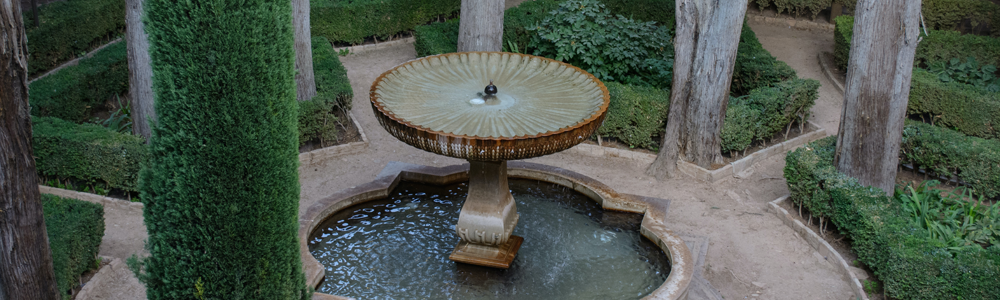
Table of contents
- Ancient Civilizations and the Origins of Water Fountains
- The Middle Ages and the Monastic Influence
- The Renaissance and Baroque Periods: A Flourishing of Fountain Art
- The 18th and 19th Centuries: The Rise of the Public Fountain
- Modern and Contemporary Decorative Water Fountains
- The Enduring Appeal of Decorative Water Fountains
- The Role of Water Fountains in Public Art and Memorials
Water fountains have long captivated our imaginations, serving as stunning centerpieces in gardens, courtyards, and public spaces throughout history. Their soothing sounds and mesmerizing movement have made them a beloved feature in various cultures and civilizations. This article will delve into the fascinating history of decorative water fountains, tracing their origins, evolution, and enduring appeal in our lives. We will explore how these artistic creations have evolved alongside human civilizations, how they have reflected cultural and social values, and how they continue to inspire and enchant us today.
From their humble beginnings as functional water sources in ancient civilizations, to their transformation into ornate and decorative pieces in classical gardens, and finally to their modern incarnations as versatile and stylish elements of contemporary design, water fountains have always held a special place in the hearts of people throughout time. The interplay of water, art, and design has captivated the human spirit, offering a sense of tranquility, beauty, and connection to nature that few other decorative elements can provide.
As we journey through the captivating history of decorative water fountains, we will discover how they have served as symbols of power and wealth, as focal points for relaxation and contemplation, and as sources of inspiration for artists, architects, and designers. We will also examine the environmental benefits of water fountains, such as their role in improving air quality, promoting biodiversity, and conserving water resources. Lastly, we will take a glimpse into the future of water fountains, as new technologies and materials continue to push the boundaries of what is possible, ensuring that these timeless features will continue to enchant and inspire for generations to come.
-
Ancient Civilizations and the Origins of Water Fountains
The history of water fountains has its roots in the ancient civilizations of Mesopotamia, Egypt, and Persia, where these remarkable structures served both practical and artistic purposes. In these early societies, fountains played a crucial role in providing water for daily use, agricultural irrigation, and even religious rituals. Despite their primary functional purpose, these fountains were often crafted with great attention to detail, featuring decorative elements such as intricately carved stone basins and ornate spouts. These early fountains not only highlight the ingenuity of these civilizations but also their appreciation for aesthetics and the integration of art into everyday life.
As human civilization continued to progress, the ancient Greeks and Romans further developed the concept of fountains, transforming them into captivating decorative centerpieces that adorned public squares, temples, and private gardens. These fountains were frequently embellished with elaborate sculptures, intricate reliefs, and complex hydraulic systems that showcased the advanced engineering skills of the time. They served as a testament to the creativity, wealth, and power of these ancient cultures.
Romans, in particular, were renowned for their sophisticated water systems, which encompassed a vast network of aqueducts, public baths, and monumental fountains. These structures were not only functional sources of water but also served as symbols of wealth, power, and the mastery of nature. They demonstrated the impressive engineering feats of the Roman Empire and its ability to harness and control water resources to meet the needs of its citizens. Many of these fountains were adorned with statues of gods, goddesses, and mythological creatures, reflecting the cultural values and artistic sensibilities of the time.
This evolution of fountains from primarily functional structures to decorative centerpieces highlights the ongoing interplay between practicality and aesthetics in human history. It demonstrates our innate desire to create beautiful and meaningful spaces that serve not only our practical needs but also inspire and uplift the human spirit. As we trace the journey of fountains from the ancient civilizations of Mesopotamia, Egypt, and Persia to the sophisticated and artistic creations of ancient Greece and Rome, we gain a deeper appreciation for the enduring appeal of these mesmerizing water features and their unique ability to captivate our imaginations and enrich our lives.
-
The Middle Ages and the Monastic Influence
During the Middle Ages, a period spanning from the 5th to the 15th century, monasteries and convents across Europe embraced the use of decorative water fountains as an integral part of their cloister gardens. These sacred spaces, enclosed by the walls of the religious institutions, were designed to foster an atmosphere of spiritual reflection, tranquility, and contemplation. The gardens often featured a central fountain, typically crafted from stone or metal, which served both practical and symbolic purposes.
In terms of functionality, these fountains provided a vital source of water for daily use, such as drinking, washing, and maintaining the surrounding plants. However, their significance went beyond mere practicality. The presence of flowing water in these cloister gardens symbolized spiritual purity, renewal, and the cleansing of the soul. The gentle sound of cascading water created an ambiance of serenity, promoting meditation and introspection among the monks and nuns who lived within the monastery walls.
The design of these medieval fountains often showcased the artistic sensibilities of the time, incorporating intricate carvings, religious iconography, and stylized plant motifs. The influence of these monastic gardens and their fountains can still be seen in contemporary courtyard fountains and water features. This lasting impact demonstrates the timeless appeal of these sacred spaces and their ability to inspire a sense of peace and spiritual connection, even in our modern, fast-paced world.
As we delve deeper into the history of decorative water fountains during the Middle Ages, we gain a better understanding of the essential role they played in shaping the religious and artistic landscape of the period. These fountains, with their harmonious blend of practicality, symbolism, and beauty, continue to inspire and influence the design of water features today, carrying forth the rich legacy of monastic gardens and their enchanting, spiritual ambiance.
-
The Renaissance and Baroque Periods: A Flourishing of Fountain Art
The Renaissance and Baroque periods, spanning from the 14th to the 17th centuries, marked a remarkable resurgence of interest in the arts, architecture, and intellectual pursuits. This cultural awakening led to the development of increasingly elaborate and ornate water fountains, which became prominent features in the gardens and courtyards of the era. Reflecting the artistic sensibilities of the time, these fountains were designed to captivate and inspire, serving as a testament to the boundless creativity and technical skill of their creators.
Italian Renaissance gardens, such as the Villa d'Este in Tivoli, stand as iconic examples of this era's fascination with water and its expressive potential. The grounds of the Villa d'Este were adorned with a multitude of intricate fountains, each boasting its own unique design and character. Mythological figures, including gods and goddesses, nymphs, and fantastical creatures, were often incorporated into these fountains, highlighting the era's fascination with classical themes. Tiered basins, gravity-fed water jets, and cascading waterfalls further enhanced the visual and auditory impact of these stunning creations, immersing visitors in a world of enchantment and wonder.
Similarly, the Palace of Versailles in France, constructed during the Baroque period, featured grand, awe-inspiring fountains that exemplified the opulence and grandeur of the time. These magnificent fountains utilized advanced hydraulics, which allowed for the creation of intricate water displays and theatrical effects. Dancing jets of water, synchronized to the rhythm of music, delighted and entertained spectators, while gilded sculptures and ornate basins added a touch of refinement and elegance. The sheer scale and complexity of these fountains were a testament to the ingenuity and ambition of their designers, who sought to push the boundaries of what was possible in the realm of water artistry.
The fountains of the Renaissance and Baroque periods not only served as captivating centerpieces in their respective settings, but they also played a vital role in the dissemination of artistic ideas and techniques across Europe. As architects, artists, and engineers traveled from one region to another, they carried with them the knowledge and inspiration gleaned from these masterpieces, sparking a wave of innovation and creativity that would shape the landscape of decorative water fountains for centuries to come. The enduring appeal and influence of these fountains stand as a testament to the power of art and the human imagination, you can see the influence in a 4 tier outdoor patio water fountain or a simple table top water fountain. Their legacy continues to inspire the design of water features in our modern world.
-
The 18th and 19th Centuries: The Rise of the Public Fountain
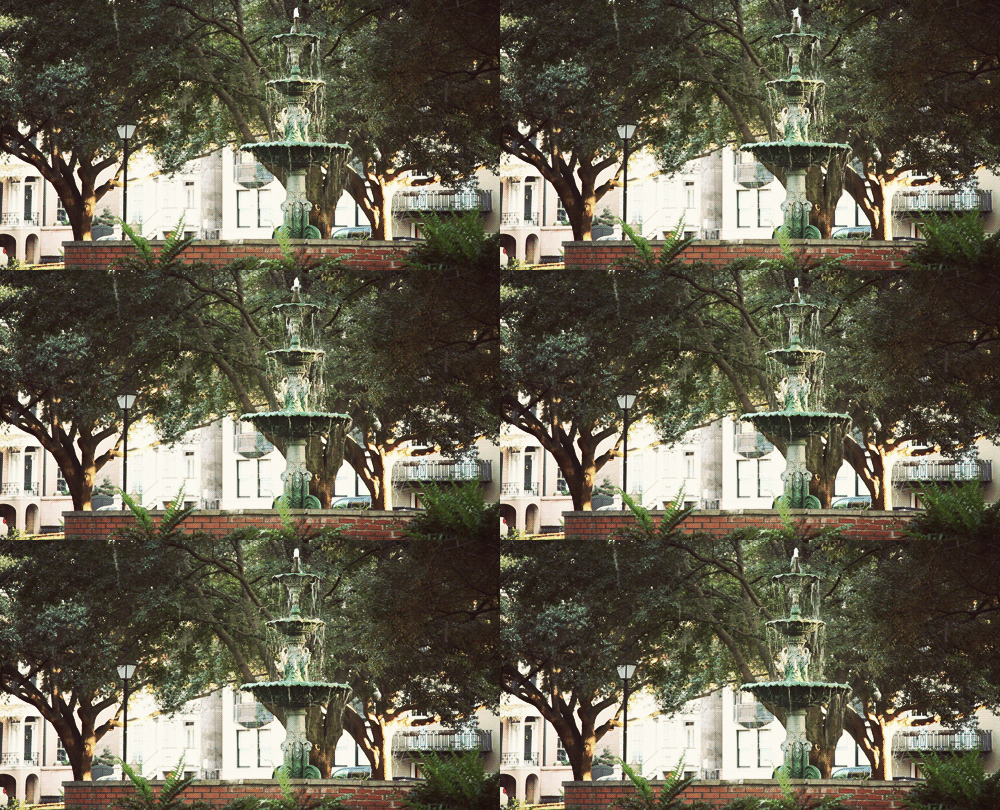
During the 18th and 19th centuries, rapid urbanization and industrialization led to significant growth in the size and population of cities across Europe and North America. As these cities expanded, the demand for clean, accessible water sources became increasingly pressing, prompting the construction of public fountains as a practical solution. However, these fountains were not merely utilitarian in nature; they often incorporated decorative elements, transforming them into architectural and artistic landmarks that enhanced the beauty and charm of their surroundings.
These public fountains were designed in a wide array of styles, reflecting the diverse artistic and cultural influences of their time. Sculptures, reliefs, and ornate basins adorned many of these fountains, showcasing the skill and creativity of the artists and craftsmen who created them. Popular themes included allegorical figures, mythological creatures, and historical events, which served to educate and inspire the public while also contributing to the visual appeal of the fountains.
Public fountains also played a significant role in the social fabric of cities during this period. They served as gathering places for residents, providing an opportunity for people from different walks of life to come together and interact. In this way, fountains fostered a sense of community and shared experience, connecting people through their shared reliance on and appreciation for these vital water sources.
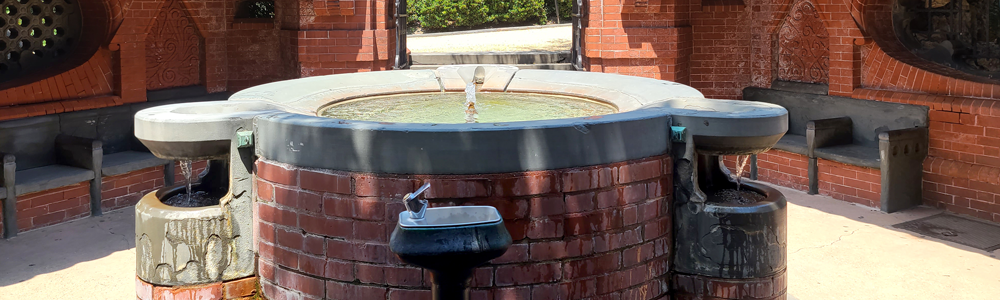
Many public fountains from this era have been meticulously preserved or restored, allowing us to appreciate their beauty and craftsmanship today. Some have even been adapted to modern needs, such as the transformation of the iconic Wallace Fountains in Paris into modern-day drinking fountains. These historical fountains stand as a testament to the enduring importance of providing clean, accessible water to urban populations, while also serving as a reminder of the value of art and beauty in our everyday lives.
The legacy of the 18th and 19th-century public fountains can still be seen in the design of modern water features in urban settings. Contemporary fountains often draw inspiration from their historical counterparts, incorporating decorative elements and themes that echo the past while embracing new materials and technologies. In this way, the tradition of creating visually appealing and functional public fountains continues to thrive, enriching our cities and communities with their timeless beauty and utility.
-
Modern and Contemporary Decorative Water Fountains
In the 20th and 21st centuries, the world of water fountains has continued to evolve, drawing on a rich history while incorporating new materials, technologies, and design styles. Today, decorative fountains can be found in a diverse range of styles, from traditional to contemporary, reflecting the aesthetic preferences and design sensibilities of their creators and owners. Public spaces, city parks, and private gardens alike have embraced the beauty and tranquility that water fountains bring, making them an enduring fixture in our modern world. It's easy to see the decorative power a 4 tier patio water fountain has on a space.
One of the most significant developments in contemporary fountain design is the use of innovative materials, which has opened up new possibilities for creativity and self-expression. Glass, stainless steel, and other metals have become popular choices, offering a sleek and modern aesthetic that can be both elegant and striking. LED lighting, too, has revolutionized the way fountains are illuminated, allowing for a dazzling array of colors and effects that can transform a fountain into a mesmerizing visual experience, especially after dark.
Solar-powered fountains have also emerged as a popular and eco-friendly option in recent years. These fountains harness the power of the sun to operate their pumps, eliminating the need for electrical connections and making it simple to install a water feature in any outdoor space, regardless of its size or proximity to a power source. This technology has made it more accessible than ever for individuals and communities to enjoy the many benefits that decorative fountains can bring.
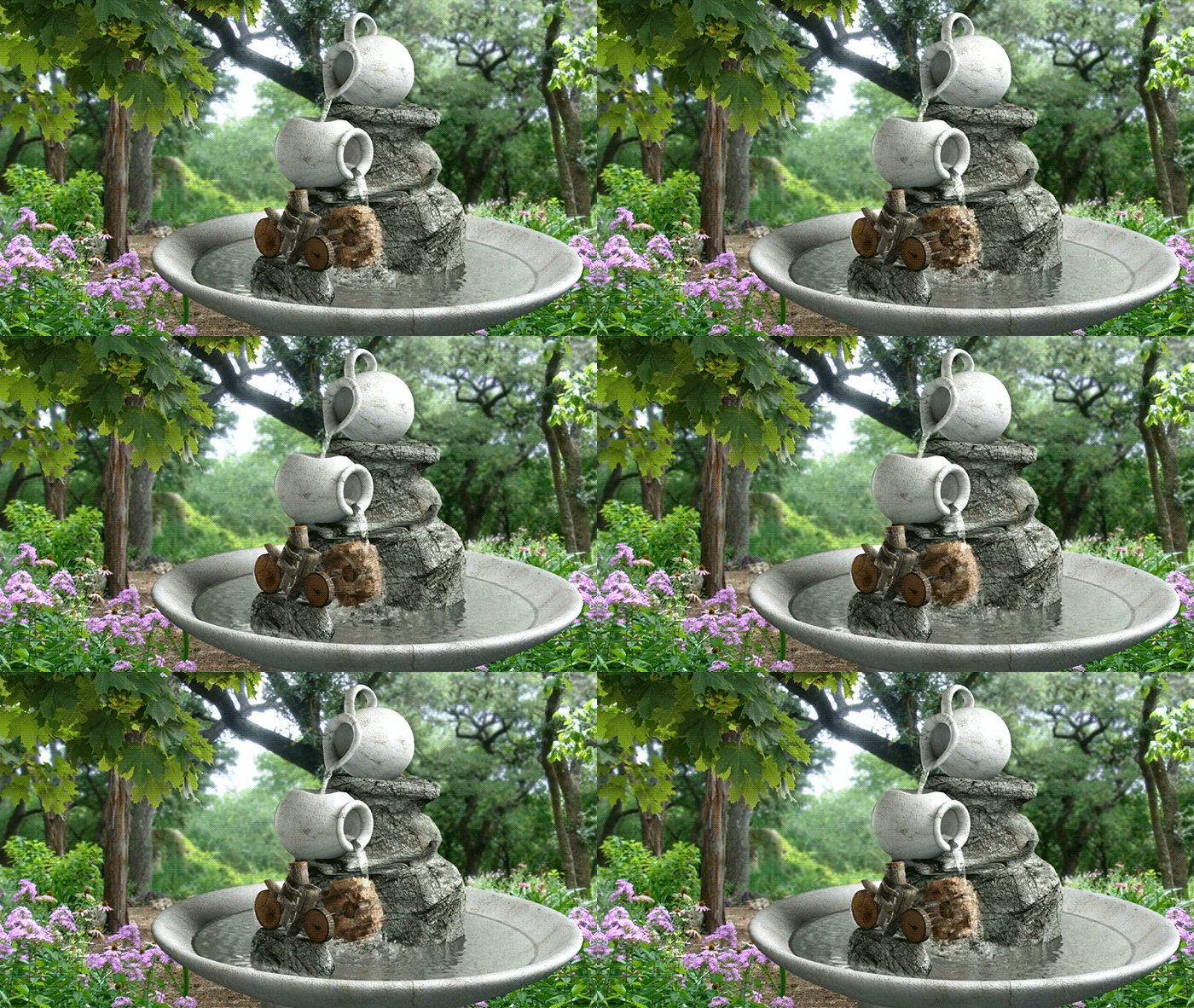
In addition to these technological advancements, contemporary fountain designs have also embraced a wide range of themes and motifs, catering to diverse tastes and preferences. Abstract, geometric shapes have gained popularity, offering a minimalist and modern appeal, while nature-inspired designs that incorporate elements such as rocks, plants, and even waterfalls have become increasingly sought after for their organic and soothing qualities.
Another trend in modern fountain design is the inclusion of interactive elements, inviting visitors to engage with the water feature in playful and imaginative ways. This can include fountains that respond to touch or movement or those that invite people to walk through them, fostering a sense of connection and wonder.
As we look to the future, it is clear that the world of decorative water fountains will continue to evolve and innovate, offering new and exciting ways for us to enjoy the timeless beauty and serenity that these enchanting features provide.
-
The Enduring Appeal of Decorative Water Fountains
The timeless appeal of decorative water fountains stems from their unique ability to create an atmosphere of tranquility and beauty in virtually any setting. As a focal point, these captivating water features draw the eye and invite the viewer to pause, relax, and enjoy the soothing sights and sounds they offer. The gentle flow of water creates a calming ambience that helps to drown out unwanted noise and distractions, fostering a peaceful and serene atmosphere that is perfect for contemplation, meditation, or simply enjoying a quiet moment.
In addition to their auditory and visual appeal, water fountains also contribute to the overall design and aesthetic of a garden, courtyard, or public space. Their presence adds an element of visual interest and dynamic movement, enriching the environment and creating a more immersive and engaging experience for visitors. Fountains come in a wide variety of styles, from classical and ornate to sleek and modern, offering endless possibilities for customization and personal expression. This diversity ensures that there is a water fountain to complement and enhance any design theme or architectural style.
Furthermore, decorative water fountains have the power to transform outdoor spaces into inviting and welcoming areas for relaxation, socialization, and recreation. They create a sense of intimacy and warmth, drawing people together and encouraging them to linger and enjoy the space. The addition of seating areas or other amenities near the fountain can further enhance its appeal, turning the area into a popular gathering spot for friends, family, and community members.
Incorporating elements of nature, such as plants, rocks, and other natural materials, can also add depth and dimension to a fountain's design, creating a harmonious blend of art and nature that is both visually stunning and environmentally beneficial. This synergy of natural elements with the soothing sounds and movement of water has a restorative effect on the human spirit, providing a much-needed respite from the stress and chaos of daily life.
As more people recognize the countless benefits of incorporating water fountains into their outdoor spaces, we can expect to see a continued growth in their popularity and an even greater variety of designs, materials, and innovative features to choose from. Ultimately, the enduring appeal of decorative water fountains lies in their ability to captivate, inspire, and soothe, making them a cherished and timeless addition to any environment.
-
The Environmental Benefits of Water Fountains
Decorative water fountains not only provide an aesthetically pleasing addition to our surroundings but also contribute positively to the environment. One of the key environmental benefits they offer is improved air quality. As water cascades and flows within the fountain, it releases negative ions into the air. These negative ions are naturally attracted to airborne pollutants and allergens, such as dust, pollen, and mold spores. When they collide, the negative ions neutralize these particles, effectively cleaning the air and making it healthier for those nearby.
Another advantage of decorative water fountains is their ability to increase humidity levels in the surrounding area. This can be especially beneficial in arid climates or during hot summer months when the air is dry and uncomfortable. The added moisture from the water fountain helps to create a more comfortable and refreshing atmosphere, providing relief from dryness and irritation associated with low humidity levels.
Water fountains also play a crucial role in supporting local ecosystems by providing a source of drinking water and a habitat for various forms of wildlife, including birds, insects, and small mammals. These creatures are drawn to the fountain's water, creating a thriving microcosm of biodiversity within an urban or suburban setting. This not only promotes ecological balance but also adds to the overall appeal and enjoyment of the space.
To further enhance the ecological value of a decorative water fountain, consider incorporating native plants and natural materials into the design. Native plants are well-adapted to the local climate and soil conditions, requiring less water and maintenance than non-native species. They also provide essential habitat and food sources for local wildlife, further promoting biodiversity. Using natural materials, such as rocks, pebbles, or wood, can create a more harmonious and visually appealing aesthetic, while also minimizing the environmental impact of the fountain's construction.
In summary, decorative water fountains offer numerous environmental benefits, from improved air quality and increased humidity levels to support for local wildlife and ecosystems. By thoughtfully designing and maintaining these water features, we can create beautiful, sustainable outdoor spaces that are both enjoyable for humans and beneficial to the environment.

-
The Future of Decorative Water Fountains
As technology continues to advance, we can expect to see even more innovative and captivating water fountain designs in the future. The integration of smart technology, such as app-controlled lighting and water flow, will allow for greater customization and interactivity. Additionally, advances in sustainable materials and energy-efficient pumps will make it possible to create even more eco-friendly and low-maintenance fountains.
-
Water Fountains Around the World
Water fountains have found their way into various cultures and landscapes across the globe. Some of the most famous fountains include the Trevi Fountain in Rome, the Fountain of Wealth in Singapore, the Bellagio Fountains in Las Vegas, and the King Fahd's Fountain in Jeddah, Saudi Arabia. These iconic fountains showcase the diversity and creativity of water fountain designs, often reflecting the cultural and historical context in which they were built.
-
The Role of Water Fountains in Public Art and Memorials
In addition to their decorative and functional roles, water fountains have also played a significant part in public art and memorials. Many cities have commissioned artists to design and create fountains that celebrate local history, commemorate significant events, or honor prominent figures. These fountains often serve as gathering spaces and landmarks, fostering a sense of community and civic pride.
The history of decorative water fountains is a captivating journey that showcases humanity's long-standing fascination with the interplay of water, art, and design. As we trace their evolution from the ancient civilizations of Mesopotamia, through the grandeur of Greece and Rome, to the artistic heights of the Renaissance and Baroque periods, we gain a deeper appreciation for the various ways in which water fountains have shaped our cultural and aesthetic landscapes.
Their timeless appeal and ability to create a sense of tranquility and beauty have persisted across the ages, even as they have adapted to the changing styles, materials, and technologies of the times. In modern society, decorative water fountains continue to enchant and inspire, offering a soothing oasis amid the hustle and bustle of our ever-evolving world.
As we look to the future, the potential for innovation in decorative water fountains is boundless. With advancements in sustainable materials, energy-efficient pumps, and smart technology, we can anticipate the development of even more captivating and eco-friendly designs. These innovations may enable greater customization and interactivity, as well as improved accessibility to water features for people in diverse settings and circumstances.
In addition to their aesthetic appeal, water fountains will continue to play a vital role in promoting environmental health and sustainability. Their ability to improve air quality, increase humidity levels, and support local ecosystems make them an invaluable asset in our ongoing efforts to create more sustainable and harmonious living environments.
Furthermore, decorative water fountains will persist as a source of inspiration and solace for individuals seeking refuge from the stresses of daily life. The soothing sounds of flowing water and the mesmerizing movement of light and shadow will offer moments of tranquility and contemplation, helping to restore balance and well-being in an increasingly fast-paced and demanding world.
In conclusion, the history of decorative water fountains serves as a testament to our enduring love affair with these captivating features. As they continue to evolve and adapt to the needs and desires of future generations, their ability to create a sense of tranquility and beauty will remain a constant, providing a soothing oasis that transcends time and place. As we embrace the possibilities of the future, decorative water fountains will undoubtedly remain at the forefront of our quest for beauty, harmony, and inspiration in the world around us.